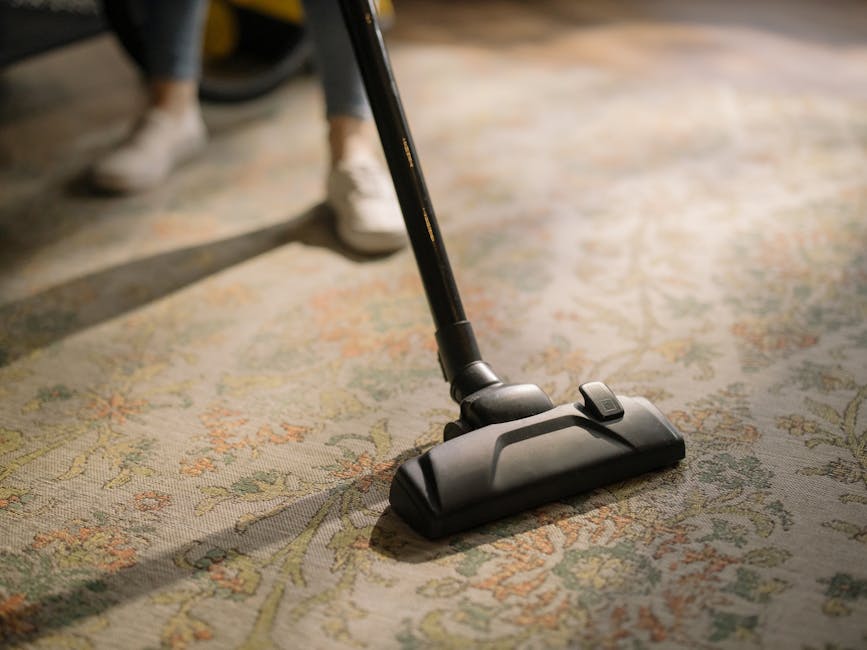
Access problems for carpet cleaning in Ilford maisonettes
If you live in a maisonette in Ilford, you already know that a simple job can become a bit of a puzzle. Carpet cleaning sounds straightforward until you start thinking about narrow stairwells, awkward landings, shared entrances, parking restrictions, top-floor flats, and the simple problem of getting equipment from the van to the room without making a scene. Access problems for carpet cleaning in Ilford maisonettes are common, but they are usually manageable with the right planning.
This guide breaks down the real-world issues that come up, why they matter, and what to do about them. You will also find a clear step-by-step approach, practical checks, and a realistic comparison of cleaning methods. If you are trying to plan a visit, reduce disruption, or avoid a frustrating last-minute cancellation, this is for you.
One small thing first: the best carpet clean is not always the one with the most powerful machine. Sometimes it is the one that can actually get through the front door. Sounds obvious, but in maisonettes, that part is half the job.
- Why access problems matter
- How access issues affect the cleaning process
- Key benefits of planning access properly
- Who this is for
- Step-by-step guidance
- Expert tips for better results
- Common mistakes to avoid
- Tools, resources and recommendations
- Law, compliance, standards and best practice
- Options and comparison table
- Case study or real-world example
- Practical checklist
- Conclusion
- Frequently asked questions
Why access problems for carpet cleaning in Ilford maisonettes matters
Access affects almost everything about a carpet cleaning appointment. It influences how long the visit takes, what equipment can be used, how much preparation is needed, and whether the job can even be completed in one visit. In maisonettes, this matters more than people expect, because the layout is often a bit less forgiving than a typical house.
A maisonette may have shared stairs, tight hallways, split-level entrances, basement access, or limited street parking. The cleaner may need to carry a machine, hoses, cleaning solutions, safety gear, and drying aids through areas where other residents are walking in and out. That brings practical concerns, but also safety, noise, and courtesy issues. Truth be told, if access is poor, a clean carpet can quickly turn into a logistical headache.
There is also a customer-experience angle. Nobody wants to pay for a service only to find out that the machine could not be parked nearby, the hose would not reach, or the front door was locked and the cleaner had to wait around in the drizzle. That sort of thing is annoying for everyone. A little planning avoids the awkwardness.
If you are comparing services, it helps to choose a company that is used to domestic access challenges and clear communication. Pages such as about us and health and safety policy can be useful for understanding how a business approaches preparation, site safety, and professionalism before anyone turns up with equipment.
Expert summary: In maisonettes, the job is rarely just "clean the carpet". It is more often "move safely, set up efficiently, avoid disruption, and still do a proper clean". Once that is understood, planning gets much easier.
How access problems for carpet cleaning in Ilford maisonettes works
In practical terms, access problems usually fall into three stages: arrival, equipment movement, and cleaning setup. Each stage has its own possible snags.
1. Arrival and parking
The first issue is often the van. Maisonettes in Ilford may sit on busier roads or narrow residential streets where parking is limited. If a cleaner cannot park reasonably close, the extra carry distance adds time and fatigue. In some cases, it may also affect which equipment is practical to bring.
This is why good booking notes matter. A cleaner needs to know whether there is on-street parking, a permit requirement, shared bays, or a long walk from the nearest safe stopping point. Even a seemingly small detail, like whether the property sits at the back of a building or above a shop, can change the whole plan.
2. Getting equipment inside
Carpet cleaning machines are not tiny. Neither are extension hoses, water containers, or vacuum gear. If the stairwell is cramped, has low lighting, or includes a narrow turn at the top, the move-in process can be slow and fiddly. Add in a wet day and a slippery entrance mat, and you can see how easily the mood shifts from organised to slightly frazzled.
Some maisonettes have shared hallways, which means the cleaner also has to be careful around neighbours, prams, parcels, bicycles, and the occasional shoe rack that should probably not be where it is. You know the sort of thing.
3. Setup and water management
Once inside, the cleaner needs space to set up safely. That usually means room for the machine, access to sockets, enough clearance for hoses, and a route that does not create a trip hazard. If the carpeted area is upstairs, the hose run may be longer and the route more awkward.
Access also affects drying. If the cleaner cannot ventilate properly or must work in a cramped layout, drying may take longer. That is not ideal in a maisonette where people want to use the space as normal afterwards. Faster drying is not just a luxury; it is part of keeping the flat comfortable and usable.
If you are looking at a service for homes as well as shared living spaces, the main carpet cleaning page is a useful place to understand the type of work involved, while steam carpet cleaning is worth reviewing if you want to see how hot-water extraction methods are typically framed.
Key benefits and practical advantages
When access is planned properly, the benefits are not subtle. The visit runs more smoothly, the cleaner spends less time wrestling with logistics, and the carpets get the attention they need without extra fuss. Everybody wins. Well, almost everybody. The staircase still has to be carried up.
- Less disruption for neighbours: shared entrances stay clearer and more comfortable for everyone in the building.
- Reduced risk of delays: clear access details prevent avoidable waiting around, re-parking, or repeated trips.
- Better cleaning outcomes: the cleaner can focus on stain treatment, agitation, and extraction rather than improvising around access issues.
- Safer working conditions: fewer tight manoeuvres and less clutter reduce slip and trip hazards.
- More accurate quotes: access details help the provider estimate the job properly instead of guessing.
There is also a comfort benefit that is easy to overlook. When the cleaner knows what they are walking into, the appointment feels calmer. No one likes that sudden moment when you open the door and realise the equipment cannot fit neatly through the hall. It is a tiny bit embarrassing, to be fair. Planning removes that feeling.
For customers who like transparent expectations, it can help to review pricing and quotes and terms and conditions before booking, especially if access could affect the time needed on site.
Who this is for and when it makes sense
This topic matters to a few different people, not just tenants or owners of maisonettes. In practice, anyone responsible for cleaning access in a multi-level or shared-entry property can use this advice.
- Homeowners in maisonettes: especially if you have upper floors, split-level rooms, or shared external access.
- Tenants: useful when booking a cleaner and checking what you need to arrange beforehand.
- Landlords and letting agents: helpful for planning turnaround cleans between occupiers.
- Older residents or people with mobility limits: access planning can make the service safer and less stressful.
- Households with pets or children: the cleaner may need extra caution around doors, gates, and movement through the property.
It makes sense to think about access before the appointment if any of these apply: there is no lift, the entrance is shared, parking is tight, the stairwell is narrow, or the carpets need specialist stain work. If you have ever tried carrying a hoover up stairs while balancing on one leg and opening a door at the same time, you already know why this matters.
Some clients also book other services alongside carpet cleaning, particularly when the same access challenges affect the whole home. In those cases, pages like upholstery cleaning, rug cleaning, or sofa cleaning may be relevant if the household wants the visit to cover several items in one go.
Step-by-step guidance
Here is a practical way to handle access problems without overcomplicating things.
- Describe the property clearly when booking. Say whether it is a maisonette, which floor the carpet is on, whether there are shared stairs, and whether parking is nearby.
- Explain anything awkward. Narrow entrances, coded doors, busy communal areas, or internal stairs are all worth mentioning. Better now than five minutes before arrival.
- Ask what equipment is likely to be used. A cleaner can then judge whether hose length, power access, or setup space will be enough.
- Prepare the route in advance. Move shoes, prams, clutter, laundry baskets, and fragile items away from the main path.
- Check parking and entry instructions. Make sure the cleaner knows how to find the right door, bell, or intercom.
- Protect common areas where needed. If the stairwell is carpeted or polished, ask what protection is usually used during access and setup.
- Plan for drying time. Leave enough ventilation and avoid blocking the route immediately after cleaning.
A useful habit is to walk the access route once yourself with "equipment in mind". Imagine carrying a machine, not just walking to the kitchen for a cuppa. It changes what you notice. The door handle that sticks, the turn on the stairs, the landing that is slightly too tight. Suddenly everything becomes clearer.
If you need a simple, transparent starting point before booking, the company's contact us page is the sensible place to send access notes or ask pre-visit questions. And if you are still comparing options, the carpet cleaning service overview can help you understand what a standard appointment usually includes.
Expert tips for better results
Over time, the best access solutions are usually the boring ones: clear notes, good timing, and a tidy route. Nothing glamorous. But they work.
Keep the route as short as possible
The less distance equipment has to travel, the better. Park as close as possible, unlock doors in advance, and remove anything that slows movement through communal areas. If a neighbour's bike is blocking the entrance, sort that out before the appointment if you can. It saves a lot of shuffling later.
Give honest access details
Do not downplay the awkward bits. A "slightly narrow stairwell" might actually mean a very narrow stairwell with a twist at the top. That one word matters. Honest information leads to a better plan and fewer surprises.
Ask about drying and ventilation
Good airflow helps after cleaning. Open windows where suitable, keep doors in the right position, and avoid trapping moisture in a closed room. In maisonettes, airflow can be uneven, especially in older layouts, so this is worth thinking about before the cleaner leaves.
Separate access issues from stain issues
Sometimes customers worry that a stain will not come out because the carpet is in a difficult-to-reach room. Those are actually two separate matters. Access affects delivery of the service; stain removal affects treatment choices. If both matter, mention both. The stain removal page is useful if you want to understand how targeted treatment may be approached.
Keep shared spaces respectful
Maisonettes often involve neighbours nearby, sometimes very nearby. A cleaner will usually try to move carefully and keep the route tidy, but it helps if residents are warned about timing where appropriate. Nobody enjoys stepping around hoses while carrying shopping.
One more thing: if the household has pets, consider whether they should be secured before the cleaner arrives. It is not just about fur. Open doors and moving equipment can make animals anxious, and then everyone is distracted. Not ideal.
Common mistakes to avoid
The mistakes people make here are usually small, but they stack up.
- Not mentioning the maisonette layout: the cleaner arrives expecting a simple ground-floor entry, but the carpet is up two narrow flights.
- Forgetting parking constraints: this can add delays and create pressure right at the start of the appointment.
- Leaving the entrance cluttered: bags, bikes, shoes, and random storage items all slow the job down.
- Assuming all equipment fits everywhere: some access routes are simply not suited to every machine setup.
- Ignoring common-area etiquette: shared hallways are not the place for a rolling hose experiment.
- Not thinking about drying: carpets may feel fine at the end of the visit, but poor ventilation can make them stay damp for longer than expected.
There is also a softer mistake: waiting until the cleaner arrives to ask important questions. That is the moment when everyone is already there, time is ticking, and the conversation becomes a bit awkward. Better to ask early. Much better.
If you want to check the provider's approach to site protection, equipment handling, and safety expectations, the insurance and safety page can be a sensible read before booking. It helps set expectations without turning the whole thing into a formal ordeal.
Tools, resources and recommendations
You do not need a full toolkit to solve access problems, but a few practical items and habits help a lot.
| Item or approach | Why it helps | Best use case |
|---|---|---|
| Clear written access notes | Reduces confusion about entry, parking, and stairs | Shared entrances, coded doors, back access |
| Temporary clutter clearing | Creates a safer route for equipment | Narrow hallways and compact landings |
| Door wedges or agreed open-door timing | Helps with movement while keeping the route controlled | When someone is assisting with access |
| Good ventilation planning | Supports faster drying after cleaning | Closed rooms, upper floors, humid weather |
| Early booking questions | Lets the cleaner plan equipment and time properly | Any maisonette where access is not obvious |
For customers who care about service standards beyond the cleaning itself, it can also be helpful to review accessibility statement and recycling and sustainability. Those pages do not solve access problems directly, of course, but they do show how a business thinks about customer needs, clarity, and responsible practice.
When payment matters, especially for pre-booked appointments, the company's payment and security information can also be useful. It is one of those sensible checks that saves awkwardness later.
Law, compliance, standards, or best practice
For domestic cleaning work, the main thing is not a long list of complicated legal jargon. It is good practice, basic safety, and respect for the property and other residents. That said, there are a few points worth keeping in mind.
In a maisonette, shared access areas often mean more people, more movement, and more chances for slips or trip hazards. A professional cleaner should work in a way that reduces those risks. That typically includes keeping equipment stable, not blocking walkways, and avoiding unnecessary mess in communal areas. In the UK, this sits comfortably alongside wider workplace and property safety expectations, even if the exact setup varies from one building to another.
It is also normal practice for cleaners to explain any limitations clearly before work starts. If access is too tight for a standard machine or if parking is too far away, that should be discussed in advance rather than discovered mid-job. No one likes a surprise on the staircase.
From a customer-trust angle, it is sensible to read the provider's terms and conditions and health and safety policy. Those pages help explain how the company handles expectations, responsibilities, and site safety. If the cleaning is happening in a building with tight access, those details matter more than usual.
One final best-practice point: if you are ever in doubt about a building rule, a shared-entrance arrangement, or where equipment can be placed, ask before the appointment. A quick question now is far easier than a complicated explanation later.
Options, methods, or comparison table
Different access situations suit different approaches. There is no single perfect method, which is why the property layout should shape the plan rather than the other way round.
| Method | Pros | Limitations | Best for |
|---|---|---|---|
| Standard portable carpet cleaning | Flexible, usually suitable for domestic access | Still needs a clear route and setup space | Most maisonettes with reasonable internal access |
| Steam or hot-water extraction | Strong cleaning performance for many carpet types | May need careful drying planning in compact spaces | Homes where deep cleaning is the priority |
| Targeted stain treatment only | Quick and focused | Does not refresh the whole carpet | Small access windows or single problem areas |
| Combined room-by-room approach | Useful when access is tight and time is limited | Can take longer overall | Large maisonettes with awkward stairs or shared hallways |
In simple terms, a more compact, flexible setup is often easier in maisonettes than a bulky, hard-to-manoeuvre one. That is why the access route should be discussed honestly before the visit. If the property also needs fabric care, the related curtain cleaning and mattress cleaning services may be relevant to households that want a fuller home refresh, though of course each item has its own access and handling needs.
Case study or real-world example
Here is a realistic example. A customer in an Ilford maisonette booked carpet cleaning for an upstairs hallway and two bedrooms. The building had a shared front entrance, a narrow staircase, and limited parking on the street. Nothing extreme, but enough to make the job awkward if nobody planned ahead.
Before the appointment, the customer sent a few extra details: the flat was on the first floor, the intercom sometimes took a second press to respond, and the hallway storage cabinet would need to be moved slightly. That small bit of information made a big difference. The cleaner arrived knowing what to expect, brought the right setup, and started without any delays at the door.
During the visit, the cleaner kept the communal area clear, used the shortest sensible equipment route, and focused on a couple of traffic-lane marks near the bedroom entrance. The carpets dried within a reasonable time because the customer had already opened suitable windows and kept the rooms tidy. Simple, really. But that is the point. Most access problems are solved by three things: honesty, planning, and a bit of common sense.
If the same home had also needed upholstered seating cleaned, a linked visit could have been sensible, especially where the household wanted less disruption overall. In that sort of scenario, the provider's sofa cleaning and upholstery cleaning pages help show how separate fabrics and surfaces are typically handled.
Practical checklist
Use this quick checklist before the appointment. It keeps things calm.
- Confirm whether the property is a maisonette and which floor the carpeted rooms are on.
- Check if there is shared access, a coded entry, or a bell/intercom system.
- Make a note of parking restrictions or the nearest safe stopping point.
- Clear hallways, stairs, and landings of clutter, shoes, and loose items.
- Move fragile objects away from the route.
- Let the cleaner know about any narrow turns, low ceilings, or awkward doors.
- Keep pets secure during arrival and setup.
- Ask about expected drying time and ventilation.
- Review safety and service details if access is unusual.
- Have the right contact details ready in case arrival instructions need adjusting.
That is the practical side, and honestly it is enough for most homes. Not fancy. Just effective.
Conclusion
Access problems for carpet cleaning in Ilford maisonettes are not a sign that the job is difficult for the sake of it. They are simply part of the reality of living in a shared or split-level property. Tight hallways, parking issues, staircases, communal doors, and drying space all shape the experience. The good news is that most of these problems are predictable, which means they can be handled before they turn into a hassle.
When access is described clearly and the route is prepared properly, the whole appointment feels smoother, safer, and more efficient. The carpets get the attention they need, the cleaner can work without unnecessary disruption, and you avoid that slightly awkward "we should have mentioned this earlier" moment. A little planning really does go a long way.
Get a free quote today and see how much you can save.
If you are weighing up your next clean, start with clear access notes, keep the route simple, and choose a provider that values preparation as much as results. That is usually where the best outcome begins.
Frequently Asked Questions
Can carpet cleaning be done in a maisonette with narrow stairs?
Yes, usually it can, but the cleaner needs to know about the narrow stairs in advance. That helps with equipment choice, route planning, and safety. If the turning space is very tight, the cleaner may suggest a different setup or a more compact approach.
What access details should I mention when booking?
Mention whether the property is a maisonette, which floor the carpet is on, parking restrictions, shared entrances, intercoms, coded doors, and anything awkward about the stairwell or hallway. The more ordinary the detail seems, the more useful it often is.
Do shared hallways make carpet cleaning harder?
They can, mainly because of space and courtesy concerns. Shared hallways mean the cleaner has to move equipment carefully and keep the route tidy for neighbours. It is manageable, but it does require a bit more coordination.
Will access problems increase the cost?
They sometimes can, depending on the extra time, parking difficulty, or setup effort involved. The safest way to know is to discuss access honestly before the booking. That helps the quote reflect the real job rather than a guess.
What if the cleaner cannot park near the maisonette?
If parking is difficult, tell the cleaner as early as possible. They may still be able to work if the carry distance is reasonable, but they need to know so they can plan the timing and equipment load properly.
How can I prepare my maisonette for carpet cleaning?
Clear the route, move clutter away from stairs and landings, secure pets, and make sure access instructions are correct. If there is any awkward door, turn, or entrance code, note it before the appointment. Small preparation makes a noticeable difference.
Is steam carpet cleaning suitable for maisonettes?
Often yes, provided the access route, setup space, and drying plan are practical. Steam or hot-water extraction can be very effective, but the property layout should be considered first so the visit is manageable from start to finish.
How long will the carpet take to dry in a maisonette?
Drying time depends on the carpet type, amount of soil, airflow, and room conditions. In a maisonette, ventilation can be a bit uneven, so it helps to keep windows open where suitable and avoid blocking airflow after cleaning.
Can I book other cleaning services at the same time?
Yes, if the access route and appointment timing allow it. Some households combine carpet cleaning with sofa, rug, mattress, or upholstery work to reduce disruption. It is sensible when the rooms are already being prepared.
What if the access route is too awkward for standard equipment?
Say so before the visit. In some cases, a different cleaning method or a more compact setup will be better. The point is to match the service to the property, not force the property to suit the service.
Why does access planning matter so much for a small flat?
Because small spaces can magnify little problems. One blocked landing, one locked door, or one awkward stair turn can slow everything down. Good access planning keeps the service efficient and helps avoid disruption to both your household and your neighbours.
Where can I check service details before booking?
You can review the company's service pages, pricing information, and policy pages to understand the process more clearly. That is a sensible way to check expectations before arranging a visit, especially if your maisonette has unusual access.