Insider tips Valentines Park stain removal Ilford carpet cleaning
If you've ever come back from a walk near Valentines Park and noticed a stubborn mark on the carpet, you'll know the feeling. One minute everything looks fine; the next, there's a muddy footprint, a drink spill, or a mystery stain that seems to settle in for the long haul. The good news? With the right approach, most carpet stains can be tackled safely before they become permanent. This guide to Insider tips Valentines Park stain removal Ilford carpet cleaning brings together practical, local, and genuinely useful advice for homeowners, tenants, and landlords in Ilford.
Whether you're dealing with fresh dirt from a wet afternoon, grass stains after a park visit, or an older mark that has already dried, the key is to act smartly rather than aggressively. That usually means knowing what to blot, what not to rub, and when to stop DIY before you make things worse. Let's face it, a lot of carpet damage happens in the "I'll just scrub it a bit harder" moment.
This article walks you through stain removal methods, the common mistakes to avoid, what tools actually help, and when professional help makes more sense. You'll also find a comparison table, a practical checklist, and answers to the questions people really ask. If you're looking for broader support beyond one stain, you may also find our carpet cleaning service in Ilford useful, alongside our wider services overview.
Why Insider tips Valentines Park stain removal Ilford carpet cleaning Matters
Stains are not just cosmetic. On carpets, they can soak into fibres, spread into the backing, and become harder to remove the longer they sit. In busy homes around Ilford, especially places near parks, schools, and family routes, carpets often pick up a mix of outdoor dirt, food spills, pet marks, and everyday wear. A fast, sensible response can make a big difference.
The phrase "insider tips" matters here because carpet care is full of half-truths. Some people think hot water solves everything. Others assume any stain remover will do. Truth be told, the right method depends on the stain type, fibre type, and how long the mark has been there. Wool, synthetic, and blended carpets all behave differently.
Valentines Park adds a local twist. After a muddy run, a picnic, or a dog walk, it's common to bring a little of the outdoors home. Fine grit acts like sandpaper underfoot, and once dirt works down into the pile, it can dull the carpet and make it look older than it really is. That's why stain removal and general maintenance should go together.
It also matters for tenancy situations, family homes, and small businesses. If you're preparing for a move, you may want to look at end of tenancy cleaning in Ilford, because stains can affect the overall presentation of a property. And if the issue is wider than carpets, domestic cleaning support can help keep the whole space under control.
How Insider tips Valentines Park stain removal Ilford carpet cleaning Works
Good stain removal works in stages. First, you identify the stain. Then you choose a method that lifts, absorbs, or breaks down the residue without pushing it deeper. Finally, you rinse or neutralise the area so the fibres do not keep attracting dirt. Simple in theory, a bit fiddly in practice.
For most carpet stains, the safest starting point is gentle removal: blotting, lifting solids, and using minimal moisture. That matters because over-wetting can spread the stain into a bigger patch or leave a damp smell behind. If you've ever seen a spill turn into a larger halo, that's usually what happened.
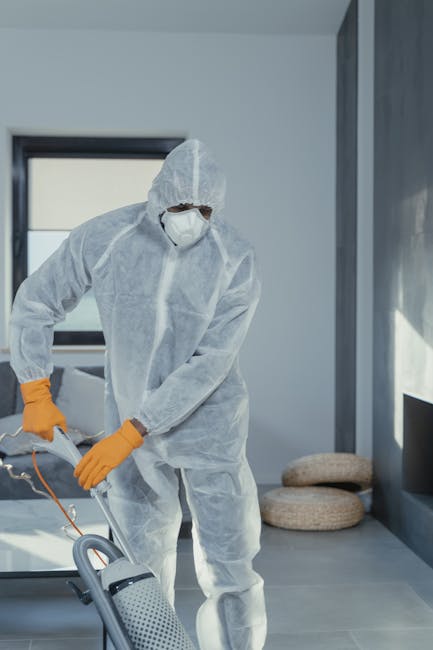
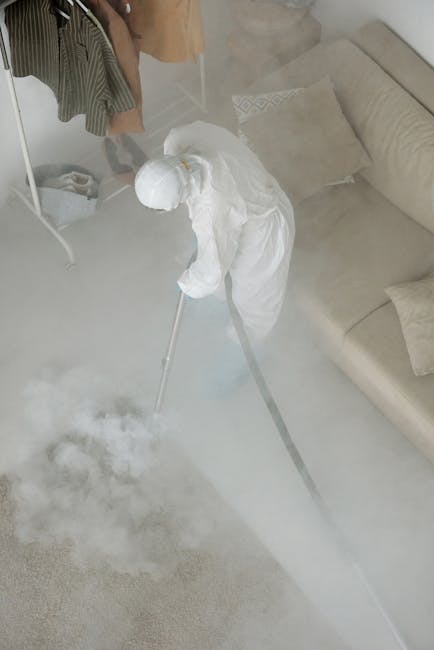
Professional carpet cleaners in Ilford often use methods such as hot water extraction, targeted spot treatment, pre-conditioning, and fibre-safe rinsing. Not every stain needs a full clean, but sometimes a spot treatment is enough to save the day. Sometimes it isn't. A red wine stain on a light synthetic carpet, for instance, may respond very differently from dried mud on a wool blend.
The "Insider tips Valentines Park stain removal Ilford carpet cleaning" approach is really about matching the method to the mess. That means less guesswork, fewer harsh chemicals, and a better chance of restoring the carpet without damaging it. Which, to be fair, is what most people want in the first place.
Key Benefits and Practical Advantages
When you handle stains properly, the benefits go beyond a cleaner-looking floor.
- Better appearance: Fresh, well-treated stains are far less likely to leave visible shadows or rings.
- Longer carpet life: Gentle treatment helps preserve fibres and reduces wear from scrubbing.
- Less lingering odour: Spills, food, and pet accidents can leave smells if residue remains in the pile.
- Improved hygiene: Removing organic spillages promptly helps keep carpets fresher and more pleasant.
- Lower replacement risk: A carefully cleaned carpet is often good enough to keep, rather than replace.
- Better rental outcomes: For tenants and landlords, cleaner carpets usually mean smoother handovers.
There's another advantage people sometimes overlook: peace of mind. Once you know what to do, a spill feels less like an emergency. You stop panicking, you deal with it methodically, and the carpet is much more likely to survive with its dignity intact.
If you want trusted support from a local team, our about us page explains who we are and how we approach each job, while our insurance and safety information gives extra reassurance around safe working practices.
Who This Is For and When It Makes Sense
This guide is for anyone dealing with stains on carpets in or around Ilford, but it is especially useful if you are:
- a homeowner trying to keep a family carpet looking decent
- a tenant wanting to avoid cleaning deductions at checkout
- a landlord preparing a property for new occupants
- a parent dealing with frequent spills, crumbs, and muddy shoes
- a pet owner who occasionally faces the "what on earth is that smell?" situation
- someone living near Valentines Park who gets a steady flow of outdoor dirt indoors
It also makes sense when you're deciding between DIY and professional cleaning. If the stain is recent, small, and water-safe, a careful home treatment may be enough. If the mark is old, greasy, coloured, or widespread, it may need a professional approach. There's no shame in that. In fact, knowing when to stop can save you money.
For some households, a broader clean works better than chasing one stain at a time. In those cases, house cleaning in Ilford or office cleaning services can help keep carpets from reaching the "too far gone" stage in the first place.
Step-by-Step Guidance
Here's a practical process that works for many everyday stains. It's not flashy, but it's sensible, and that counts.
1. Act quickly
The sooner you treat a stain, the easier it is to remove. Fresh spills are usually sitting on the fibre surface before they sink deeper. Grab a clean white cloth or paper towel and blot gently. Do not rub. Rubbing pushes the stain around and can fuzz the carpet.
2. Remove solids first
If the spill includes food, mud, or debris from outdoors, lift the solids carefully with a spoon or blunt edge. If it's dry mud from a Valentines Park walk, let it dry fully before vacuuming or lifting. Wet mud is just a smearing exercise waiting to happen.
3. Test a small hidden area
Before applying any cleaner, test it somewhere discreet. This is especially important on wool carpets or older carpets with sensitive dyes. A small patch test can save you from a much bigger headache.
4. Use a mild cleaning solution
For many stains, a small amount of diluted carpet-safe cleaner or mild dish solution is enough. Apply it to the cloth first rather than directly onto the carpet. Work from the outside of the stain inward so you do not spread it further.
5. Blot, don't soak
Use repeated blotting with clean cloths until the stain starts to lift. If you need a little moisture, use it sparingly. Too much liquid can travel down into the underlay, and that's where smells and reappearing marks often begin.
6. Rinse lightly
Once the stain is reduced, use a lightly damp cloth with clean water to lift out any residue. Leftover detergent attracts soil, which means the area can become dirty again quicker than the surrounding carpet. Annoying, but common.
7. Dry properly
Press the area with a dry towel, then allow it to air dry fully. If possible, improve ventilation. A fan helps. Open a window if the weather allows. Avoid walking on the area until it is dry.
8. Reassess after drying
Some stains only reveal their true state once the carpet dries. If there is still a shadow or scent, repeat the process gently rather than reaching for a harsher product straight away.
For broader cleaning jobs or recurring marks, professional upholstery cleaning in Ilford can also be helpful when stains appear on sofas, chairs, or footstools alongside the carpet.
Expert Tips for Better Results
These are the little things that often separate a decent result from a messy one.
- Use white cloths only: Coloured towels can transfer dye, especially when damp.
- Work slowly: Quick, forceful cleaning is usually what causes fibre damage.
- Treat the stain type, not just the stain itself: Grease, tannin, dye, and protein stains each need different handling.
- Keep the air moving: Drying time matters more than many people realise.
- Avoid mixing products: Combining cleaners can create sticky residue or unpleasant fumes.
- Vacuum before and after if needed: Grit removal before treatment makes cleaning more effective.
Here's a small but useful observation: many "stains" are actually two problems at once, a mark plus a crushed pile. That means even after the colour lifts, the carpet may still look flatter in the affected area. A gentle grooming brush can sometimes help restore the texture once the fibres are dry.
If you're planning a full property refresh, you can also compare services through pricing and quotes before deciding what level of help is appropriate. Not every job needs the same treatment, and that's fine.
Common Mistakes to Avoid
Most carpet damage happens because people mean well. Honest truth. They try to fix the problem fast, and that's where things go sideways.
- Scrubbing hard: This roughs up the pile and can spread the stain.
- Using bleach or strong solvents: These can strip colour or damage fibres.
- Pouring water directly on the stain: This often pushes the problem deeper.
- Ignoring the fibre type: Wool needs a different touch than synthetic carpet.
- Letting stains sit too long: Dried marks are harder to remove and may need a specialist clean.
- Skipping the drying stage: Damp carpets can smell musty and collect dirt more quickly.
One common misstep is chasing a stain with one product after another. That's a bit like arguing with the carpet. It rarely ends well. If a stain is resisting treatment, pause and reassess rather than escalating immediately.
If there are safety concerns about cleaning agents, ventilation, or property access, it's sensible to review health and safety guidance and make sure the approach suits the space.
Tools, Resources and Recommendations
You do not need a trolley full of gadgets to handle most carpet stains, just a sensible set of basics.
| Tool or Product | Best Use | Good to Know |
|---|---|---|
| White microfibre cloths | Blotting spills and lifting moisture | Best for colour-safe, residue-free cleaning |
| Soft-bristled brush | Loosening dry soil or fluffing pile | Use gently, especially on wool |
| Vacuum cleaner | Removing dry dirt and grit | Vacuum first whenever the stain is dry |
| Mild carpet-safe solution | Treating common water-based stains | Always patch test first |
| Clean spray bottle | Applying small amounts of water or solution | Prevents over-wetting |
| Dry towels | Pressing out moisture | Useful after every stage of cleaning |
For readers who want broader local context, our Ilford blog archive includes helpful articles on local life and property care. You might also enjoy local tips for living in Ilford or a look at the charm of Ilford London if you're interested in the area as well as the cleaning side of things.
If you are moving into a new place or preparing one for sale, buying homes in Ilford and navigating Ilford real estate can give useful background on the local property landscape. A clean carpet does help when people are viewing, by the way. It's one of those subtle things buyers notice without always saying so.
Law, Compliance, Standards, or Best Practice
For carpet stain removal in a domestic setting, the main concern is usually safe, careful practice rather than legal complexity. Still, there are a few sensible standards to keep in mind.
In the UK, users should follow product instructions, ventilate the area, and avoid mixing chemicals. If a cleaner is being used in a rented property, tenancy agreements may set expectations around cleanliness at move-out, so keeping carpets in good condition can help avoid disputes. That is not the same as a legal ruling, of course, but it is a practical reality in many handovers.
Professional cleaners also tend to work within best practice around fibre identification, spot testing, residue removal, and safe handling of equipment. If you want reassurance before booking, check service terms and customer-facing policies such as terms and conditions, privacy policy, and payment and security information.
For businesses, service transparency matters too. A good provider should be clear about what is included, how access is arranged, and what happens if a stain does not fully respond to treatment. That kind of clarity builds trust. Simple as that.
Options, Methods, or Comparison Table
Different stains call for different approaches, and not every method is worth doing at home. Here's a straightforward comparison.
| Method | Best For | Pros | Limitations |
|---|---|---|---|
| Blotting and mild cleaning | Fresh drinks, light dirt, small spills | Low risk, cheap, quick | May not remove deep or dried stains |
| Spot treatment | Targeted marks with known cause | Efficient and focused | Needs correct product choice |
| Dry soil removal then cleaning | Mud, outdoor grit, park debris | Prevents smearing | Time-sensitive and a bit fiddly |
| Professional hot water extraction | Old stains, heavy traffic areas, widespread soiling | Deep cleaning, more thorough | Requires equipment and drying time |
| Full property clean | Tenancy handovers, post-event cleaning, seasonal refresh | Consistent finish across rooms | Not always needed for a single spot |
For many households, a combination of spot treatment and periodic professional cleaning is the sweet spot. If you have a recurring issue, say a hallway near the front door that picks up mud every week, a bigger maintenance plan may be more cost-effective than repeated one-off fixes.
Case Study or Real-World Example
Imagine a family coming home after a damp Saturday walk in Valentines Park. The children have tracked in muddy footprints, one sleeve has brushed the carpet with wet grass, and someone has spilt a sugary drink near the sofa. Nothing dramatic, but enough to make the room look untidy and a bit tired.
The first step is to remove the dry dirt once it has dried enough to lift cleanly. Then the spilled drink is blotted with a white cloth and treated using a mild carpet-safe solution. The grass mark gets a gentle spot treatment, followed by light rinsing and careful drying. No scrubbing. No panic. No experimental kitchen chemistry.
In this kind of situation, the difference between a good result and a lingering patch usually comes down to speed and restraint. The family that over-wets the carpet or rubs hard ends up with a larger, duller patch. The family that blots, tests, and dries properly often gets away with barely a trace. That's the real insider edge.
If the carpet still shows a shadow after drying, or if the stain is older than expected, a professional clean may be worth it. A targeted approach is often more effective than trying ten different DIY ideas in one afternoon, especially when the stain has already settled in.
Practical Checklist
Use this quick checklist when dealing with carpet stains near Valentines Park or anywhere else in Ilford.
- Identify the stain type if you can
- Blot fresh spills immediately with a clean white cloth
- Let dry mud dry before removing it
- Test any cleaner in a hidden area first
- Apply solution to the cloth, not directly to the carpet
- Work from the outside of the stain inward
- Avoid scrubbing and harsh chemicals
- Use only a small amount of moisture
- Rinse gently to remove residue
- Dry the area fully before walking on it
- Recheck after drying for shadows or odours
- Call a professional if the stain is old, large, or fibre-sensitive
If you are managing a larger cleaning project, our complaints procedure and accessibility statement are also available for review, because clear service information should be easy to find. And yes, that should be the case everywhere.
Conclusion
Stain removal does not have to be a battle. When you understand the type of mark, use the right method, and avoid the classic mistakes, carpets near Valentines Park and across Ilford can stay fresher for longer. The biggest wins are usually the simplest ones: blot quickly, use less liquid, dry thoroughly, and know when a professional clean is the better call.
For households, landlords, and businesses alike, the smartest approach is often a blend of prevention, light maintenance, and expert support when needed. That keeps carpets looking lived-in, not worn out. Which, in a busy home, is really what you want.
Get a free quote today and see how much you can save.
For more background on our wider standards and responsibilities, you can also review our modern slavery statement and footer information. Small details matter. They always do.
Frequently Asked Questions
What is the best first step for a fresh carpet stain after a Valentines Park visit?
Blot the stain immediately with a clean white cloth or paper towel. If it includes mud, let the dirt dry first, then lift it carefully so you do not smear it deeper into the fibres.
Can I use hot water on every carpet stain?
Not really. Hot water can help some stains, but it can also set others, especially protein-based marks or certain dyes. Always test carefully and use a fibre-safe approach.
Are DIY carpet stain removers safe for wool carpets?
Some are, some are not. Wool is more sensitive than many synthetic carpets, so a patch test is essential. If in doubt, use a professional cleaner with wool-safe products.
Why does a stain sometimes come back after cleaning?
That usually happens when residue is left behind or the stain has soaked into the underlay. If the carpet is not rinsed and dried properly, the mark can reappear as it dries.
How do I remove mud from carpet without making it worse?
Let the mud dry fully, then vacuum or lift the dried soil gently. After that, treat any remaining mark with a small amount of carpet-safe cleaner and blot carefully.
When should I call a professional carpet cleaner in Ilford?
If the stain is old, large, greasy, odorous, or on a delicate carpet, professional cleaning is usually the safer option. It is also sensible before tenancy checkouts or property viewings.
Will stain removal damage the carpet pile?
It can if you scrub hard, use harsh chemicals, or over-wet the area. Gentle blotting and correct drying are the key steps to protecting the pile.
How long does a cleaned carpet usually take to dry?
Drying time depends on ventilation, room temperature, carpet thickness, and how much moisture was used. A light spot treatment dries faster than a full carpet clean.
Is it better to treat one stain or clean the whole room?
If the carpet has only one small mark, spot treatment may be enough. If the room has multiple stains, traffic lanes, or a general dull look, a full clean is often better value.
Do landlords expect carpets to be professionally cleaned at the end of a tenancy?
Not always, and it depends on the tenancy agreement and the carpet's condition. What is usually expected is that the property is left in a reasonably clean state, with stains treated as far as possible.
Can pet stains be treated the same way as food stains?
Not quite. Pet accidents often need odour-focused treatment as well as stain removal, because residue can remain in the carpet backing. A surface clean alone may not solve the problem.
What should I look for in a local carpet cleaning service?
Look for clear service information, safe methods, transparent pricing, and straightforward contact details. It also helps if the provider explains how they handle different fibres and stain types.