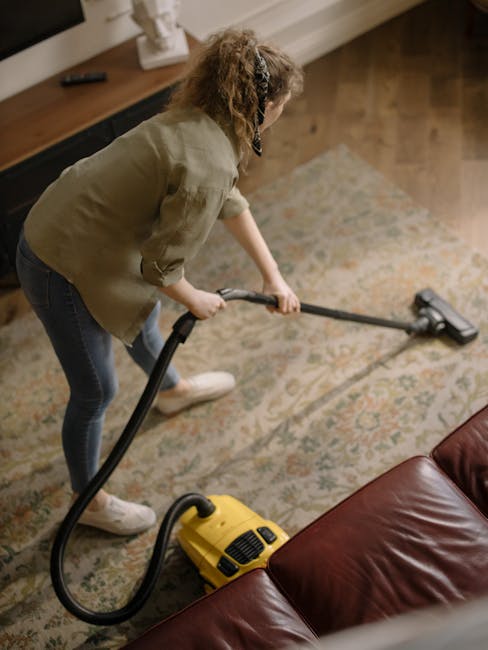
Same day emergency carpet cleaning Ilford what to know
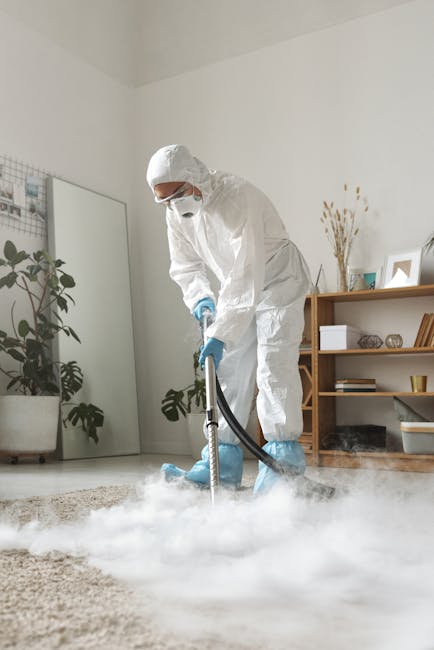
If you are staring at a fresh spill, a muddy hallway, or a carpet that suddenly smells a bit wrong, you probably do not want a lecture. You want to know what happens next, how fast help can arrive, and whether same day emergency carpet cleaning in Ilford is actually worth booking. Fair enough. This guide covers exactly that: what emergency carpet cleaning involves, how to prepare, what to expect on the day, and how to avoid making a messy situation worse.
In a real rush, the details matter. A glass of red wine tipped over at 7pm, a pet accident on the landing, or water creeping into a living room after a leak can all turn into bigger problems if you wait too long. The good news is that urgent carpet cleaning is designed for speed and damage control, not just appearance. You will also find practical advice on methods, safety, pricing expectations, and what to ask before anyone steps through your door with a van full of gear.
Expert summary: same day emergency carpet cleaning is most useful when you need fast stain treatment, odour control, moisture removal, or prevention of long-term fibre damage. The best results usually come from acting quickly, giving clear information up front, and choosing the right cleaning method for the spill or incident.
Why same day emergency carpet cleaning in Ilford matters
When a carpet takes a hit, time is your biggest enemy. Spills spread, dyes can transfer, moisture can soak deeper into the underlay, and odours settle in before you have had a chance to blink. That is why same day emergency carpet cleaning in Ilford matters more than a standard booking for "next week sometime". It is about damage limitation as much as cleanliness.
In practical terms, the first few hours can make a serious difference. A tea spill on a pale wool blend, for example, may be manageable if treated correctly straight away. Leave it overnight and you may be dealing with a set-in stain, a shadow mark, or a texture change that looks and feels different underfoot. Truth be told, carpets can be a bit dramatic once liquids get involved.
Emergency cleaning also matters for hygiene. Pet accidents, food spills, flood water, and general contamination can create a bad smell fast, especially in warm rooms or closed flats. If you live in a busy household, rent out a property, or run a commercial space, the speed of response can also affect how your space is used the same day. Nobody wants a meeting room that smells like damp socks.
There is a trust element too. A good emergency cleaner will not oversell miracle fixes. They should explain what can be improved, what may leave a faint mark, and what might need a follow-up visit. That honesty is worth a lot when you are stressed and just want the room back.
Table of Contents
- Why same day emergency carpet cleaning in Ilford matters
- How emergency carpet cleaning works
- Key benefits and practical advantages
- Who this is for and when it makes sense
- Step-by-step guidance
- Expert tips for better results
- Common mistakes to avoid
- Tools, resources and recommendations
- Law, compliance, standards, or best practice
- Options, methods, or comparison table
- Case study or real-world example
- Practical checklist
- Conclusion
- Frequently Asked Questions
How emergency carpet cleaning works
Same day emergency carpet cleaning usually starts with a quick assessment. The cleaner needs to know what caused the problem, what type of carpet you have, how long the spill has been there, and whether any DIY treatment has already been applied. Those details help decide the right method, because a coffee stain on synthetic pile is not treated the same way as a greasy mark on a delicate natural fibre.
Most urgent jobs follow a fairly simple pattern. First comes inspection, then spot treatment, then either hot water extraction, low-moisture cleaning, specialist stain removal, or drying support. If the carpet is very wet, extraction and moisture control become the priority. If the issue is a visible stain, the treatment often focuses on the affected area first, then the wider section if needed to avoid tide marks.
Many people assume emergency cleaning always means aggressive steam cleaning. Not quite. In many cases, a technician will choose the least disruptive method that still gives a strong result. That might be targeted stain removal, gentle agitation, or controlled extraction rather than saturating the full carpet. A smart job is usually a careful job.
If you want a broader sense of the service style and longer-term care, it can help to look at the main carpet cleaning service and the more specific steam carpet cleaning option. Those pages are useful if you are comparing urgent treatment with routine maintenance.
Key benefits and practical advantages
The biggest benefit is obvious: speed. Same day attendance can stop a fresh incident from becoming a lasting problem. But there are some quieter advantages too, and they matter in the real world.
- Less staining: fast treatment can prevent pigments, tannins, and dirt from bonding more firmly to fibres.
- Better odour control: quicker cleaning helps reduce smells from pets, food, drink, and moisture.
- Lower risk of water damage: in wet incidents, drying support helps protect the carpet backing and underlay.
- Reduced disruption: a treated area can often be used again sooner, depending on moisture and drying conditions.
- More confidence: you are not left guessing whether the mark will "just come out later", which it usually won't, to be fair.
Another practical benefit is peace of mind for landlords, letting agents, and businesses. A quick response after a tenant move-out, customer spill, or office accident can help keep a property presentable and avoid a string of awkward conversations. If the incident affects other soft furnishings too, you may want to ask about upholstery cleaning or even sofa cleaning while the team is already on site. That can save another appointment later.
Key takeaway: emergency cleaning is not just about appearances. It is about stopping stain setting, reducing odours, and protecting the carpet's structure before the damage becomes more expensive or more noticeable.
Who this is for and when it makes sense
Same day carpet cleaning is not for every speck of dirt. Let's be practical. If the carpet just needs a routine refresh, a planned visit is usually fine. But urgent cleaning makes sense when the issue is time-sensitive, embarrassing, unhygienic, or likely to worsen.
You are probably in the right place if you are dealing with one of these:
- a fresh drink spill, especially tea, coffee, wine, juice, or sugary beverages;
- pet accidents or odour problems that need quick attention;
- mud, oil, grease, or food ground into the fibres;
- a damp patch after a leak or accidental overflow;
- preparation for guests, tenants, an inspection, or an event;
- a commercial space that needs to reopen fast.
Homeowners often call in a panic after a real-life "how did that happen?" moment. Parents know the feeling. Pet owners definitely know the feeling. Businesses feel it too, just with more paperwork and more pressure. Same day service is especially useful where the carpet is in a main route, like a hallway, reception area, stairs, or front room.
If the concern is a specific stubborn mark rather than the whole carpet, it may help to combine the urgent visit with broader stain removal. And if the problem is tied to a pet, the page on pet stain and odour removal is the more relevant starting point.
Step-by-step guidance
When you need urgent carpet cleaning, a simple process keeps things calmer. It also helps the cleaner work faster, which is rather the point.
- Identify the spill or issue. Is it liquid, solid, greasy, or biological? The cleaner needs the basic category first.
- Note the time. Fresh versus set-in makes a big difference. A stain from twenty minutes ago is a different job from one that has dried for two days.
- Check the carpet type. Wool, synthetic, blended, loop pile, and rug materials all behave differently. If you do not know, say so.
- Avoid random home remedies. Do not scrub hard, and do not keep adding water. That is one of the fastest ways to spread the problem.
- Contact the cleaner with clear details. Explain the incident, the size of the area, and any previous treatment.
- Prepare access. Move breakables, clear a small working path, and make sure the area is safe to reach.
- Follow drying advice. Once cleaned, the area may need airflow, caution tape, furniture lifting, or temporary avoidance.
If the incident also involves curtains, mattresses, or upholstery nearby, it is worth flagging those at the same time. A lot of mishaps do not stay neatly in one place. The smell gets around, the splash travels, and suddenly half the room needs attention.
For a deeper understanding of what is involved in a more detailed visit, you may want to look at steam carpet cleaning and the wider stain removal service. Those options can help frame what kind of treatment is likely to be used.
Expert tips for better results
Here is the part people often skip, and then regret later. A few small decisions can improve the outcome quite a bit.
- Blot, don't scrub. Use a clean white cloth or paper towel and press gently. Scrubbing roughs up the fibre and pushes the spill deeper.
- Work from the outside in. This helps stop the stain spreading into a bigger ring.
- Keep chemicals simple. A mystery spray from the back of a cupboard can create a new problem before the old one is solved.
- Tell the truth about what happened. If you used detergent, vinegar, bleach, or spot gel, say so. That is important.
- Ventilation helps. Open windows where you can, even in winter for a short while. Fresh air can make a real difference.
- Ask about drying time. Some carpets look clean but remain damp underneath for longer than expected.
One thing I would add from experience: do not keep poking the stain every ten minutes. People do it all the time. It is understandable, but it tends to make the surface look worse and slows your own judgement. Give the treatment a chance to work.
If the room contains other delicate items, like rugs or curtains, the related rug cleaning and curtain cleaning services can be worth considering after the main emergency is handled.
Common mistakes to avoid
Most carpet damage gets worse because of good intentions, not bad ones. A quick clean-up turns into a bigger issue when the wrong approach is used. It happens. People are trying to help, just a bit too enthusiastically.
- Using too much water: this can push the problem down into the backing and underlay.
- Scrubbing aggressively: that can distort pile and leave a rough patch even after the stain is gone.
- Mixing cleaning products: this is risky and can leave residue or damage fibres.
- Waiting too long: especially with wine, coffee, pet urine, or greasy food.
- Ignoring odour: a carpet can look better while still holding smell beneath the surface.
- Booking only on price: the cheapest urgent quote is not always the best value if the method is wrong.
Another common mistake is assuming all carpets are the same. They are not. Wool reacts differently from synthetic fibres, and a loop pile can show disturbance more easily than a cut pile. A cleaner worth hiring should explain those differences without making it sound like rocket science.
If you are dealing with a commercial space, it is also easy to overlook the wider area. Nearby chairs, partitions, and fabric panels may need a look too. In that case, commercial carpet cleaning may be the better route for a coordinated clean-up.
Tools, resources and recommendations
You do not need a van full of equipment to handle the first few minutes after an incident, but having the right basics helps. For household emergencies, these items are useful:
- clean white cloths or paper towels;
- a small bowl of plain water for blotting when appropriate;
- a dry towel to absorb moisture;
- a fan or open window for airflow;
- a pair of gloves if the spill is unpleasant or unsanitary;
- a notepad or phone note with the time, substance, and actions taken.
For more serious situations, professional equipment is what really changes the result. That may include extraction machines, controlled drying systems, stain-specific solutions, and agitation tools suited to the carpet fibre. The point is not to blast the carpet with everything available. It is to match the method to the mess.
When choosing a provider, a few sensible checks help:
- Do they explain what method they plan to use?
- Can they say how long the area may take to dry?
- Do they give a realistic view of stain removal outcomes?
- Do they discuss protection for furniture and surrounding areas?
- Are their terms and pricing clear before the work begins?
It can also help to review practical pages such as pricing and quotes, payment and security, and the company's insurance and safety information. Those details are not flashy, but they matter when the job is urgent and you need confidence, not vague promises.
Law, compliance, standards, or best practice
For emergency carpet cleaning in the UK, the main thing to understand is that professional operators should work safely, communicate clearly, and avoid reckless chemical use. You do not need to know every technical standard, but you should expect sensible behaviour around risk, access, and product handling.
Good practice usually means the cleaner assesses the surface before treatment, uses appropriate PPE where necessary, and explains any risks to delicate fibres, dyes, or adhesives. If the incident involves contamination, body fluids, or flood water, caution increases. That is not overkill; it is sensible housekeeping.
Landlords and commercial clients may also want to pay attention to property access, fire safety in drying setups, and whether the cleaning method leaves slips or trip hazards. A damp carpet in a busy entrance area can become a problem of its own if nobody thinks ahead. Common sense is boring, but useful.
If you want to understand the service provider's operational approach, the pages on health and safety policy, terms and conditions, and privacy policy are worth a look. For businesses and households alike, it is reassuring when the basics are handled properly and not brushed aside.
Options, methods, or comparison table
Not every emergency needs the same fix. Here is a simple comparison to help you think clearly before you book.
| Method | Best for | Advantages | Limitations |
|---|---|---|---|
| Spot treatment | Small fresh stains | Fast, targeted, low disruption | May not be enough for deeper soiling |
| Hot water extraction | General deep cleaning and many liquid incidents | Strong soil removal, good for larger areas | Longer drying time than light treatment |
| Low-moisture cleaning | Busy homes, commercial spaces, sensitive timing | Quicker drying, less saturation | Not ideal for every stain type |
| Specialist stain removal | Wine, coffee, food colouring, pet problems | More precise treatment | Outcome depends on stain age and fibre type |
| Odour-focused treatment | Pet accidents and damp smells | Targets smell as well as visible marks | Sometimes needs a follow-up clean |
As a rough guide, the fresher the incident, the more options you usually have. Once a stain is old and dry, the cleaner may need to balance appearance, fibre safety, and drying time rather than chasing a perfect finish at any cost. That is a fair trade, in many cases.
Case study or real-world example
Picture a Saturday evening in Ilford. A family is getting ready for visitors the next morning when a glass of dark juice spills across a hallway carpet. It is a high-traffic area, the carpet is pale, and the stain starts to spread almost immediately. They blot it, but not well enough, then a child walks through it once, then again. You know how that story goes.
They call for same day help rather than waiting until Monday. The cleaner asks what was spilled, how long it has been there, and whether any product has been used already. On arrival, the technician checks the fibre type, treats the affected section first, then cleans a slightly wider area to avoid a visible edge. The carpet is left cleaner, the colour looks even, and the room is usable again after a reasonable drying period.
The important bit is not that every stain vanishes perfectly. Sometimes it does, sometimes it does not. The real win is preventing a bigger visible ring, keeping the fibres intact, and avoiding an odour that would have lingered for days. That is the kind of result people usually want, even if they do not say it out loud.
For a bigger clean-up involving several surfaces, it can be sensible to ask about mattress cleaning or mattress cleaning if contamination has spread into adjacent areas. If the issue is a whole-room refresh rather than one incident, a normal carpet clean may actually be the better fit.
Practical checklist
Use this checklist before and during an emergency booking. It keeps the job focused and helps avoid those annoying little oversights.
- Identify the spill or damage type.
- Note the time it happened.
- Blot gently if safe to do so.
- Do not scrub or oversoak the area.
- Avoid mixing cleaning products.
- Tell the cleaner what has already been tried.
- Confirm access to the room and parking if needed.
- Ask what method they plan to use.
- Ask about drying time and any follow-up care.
- Keep pets and children away from the treated area until safe.
If you are comparing providers, checking the company background can help too. A page like about us can tell you a bit about how the business presents itself, while complaints procedure is useful if you want to know how issues are handled. Not glamorous, but it shows seriousness.
Get a free quote today and see how much you can save.
Conclusion
Same day emergency carpet cleaning in Ilford is most valuable when speed, judgement, and practical treatment all matter at once. The sooner the problem is assessed, the better your chances of limiting staining, odour, and structural damage. Just as important, a good cleaner will tell you what is realistic, not what sounds nice in a hurry.
So if you are dealing with a fresh spill, pet accident, damp patch, or a carpet that now has a life of its own, take a breath. Act quickly, avoid overhandling it, and ask the right questions. That alone can make a big difference. And honestly, it is often the difference between a minor nuisance and a week-long headache.
Whether the job is a one-off emergency or part of a bigger clean-up, the best outcome usually comes from clear communication and a calm first move. A messy moment does not have to become a lasting one.
Frequently Asked Questions
How fast can same day emergency carpet cleaning in Ilford usually happen?
It depends on availability, the size of the job, and how urgent the incident is. Same day service is usually arranged as quickly as possible, but a clear description of the problem helps speed things up.
What counts as an emergency carpet cleaning job?
Fresh spills, pet accidents, flooding, bad odours, and stains that may set quickly are all common reasons to request urgent cleaning. A room that needs to be usable again the same day is also a strong reason.
Can all carpet stains be removed on the same day?
No, not always. Fresh stains have the best chance, but old stains, dye transfer, and damage from previous DIY treatment can be stubborn. A good cleaner should explain the likely outcome honestly.
Should I try to clean the spill myself first?
Yes, but only gently. Blot with a clean cloth, avoid scrubbing, and do not soak the carpet. If you are unsure, leave it and wait for advice rather than experimenting with random products.
Is emergency cleaning more expensive than a regular carpet clean?
It often can be, because same day attendance and specialist treatment require more immediate scheduling and sometimes more targeted work. The exact cost depends on the problem, the carpet type, and the method used.
How long will the carpet take to dry after treatment?
Drying time varies by method, room temperature, ventilation, and how wet the carpet was in the first place. Light spot treatment may dry much faster than a deeper extraction clean.
What should I tell the cleaner when I book?
Tell them what happened, when it happened, what product or liquid was involved, the size of the area, and whether you have already tried anything on it. That information helps them choose the right equipment and approach.
Is steam cleaning always the best option for emergencies?
Not necessarily. Steam cleaning is useful in many situations, but some urgent jobs are better handled with spot treatment, low-moisture cleaning, or specialist stain removal. The right method depends on the carpet and the incident.
Can emergency carpet cleaning help with pet odours?
Yes, if the treatment is designed for pet stains and smells. Odour control often needs more than a quick surface clean, especially if the liquid has reached the underlay.
Do I need to move furniture before the cleaner arrives?
Only if you safely can. Small items help speed up the visit, but heavy furniture should not be moved in a rushed or risky way. Just let the cleaner know what is in the room.
What if the carpet is in a commercial space?
Then timing, access, and drying become even more important. Offices, shops, and shared spaces often need a method that reduces disruption and gets the area usable again quickly.
How do I know if the company is trustworthy?
Look for clear explanations, sensible safety information, transparent pricing guidance, and a straightforward complaints process. Those are small signals, but they usually tell you a lot.