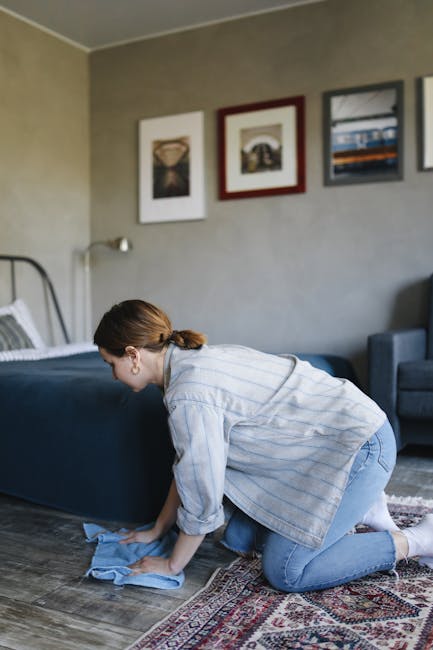
Seven Kings estate rug cleaning and care guide
If you live in Seven Kings, you already know how quickly a rug can become the hardest-working item in the room. Mud from the hallway, tea by the sofa, pet hair in the corners, the odd spill after a busy evening. It adds up. This Seven Kings estate rug cleaning and care guide is here to help you keep rugs looking fresh, protect delicate fibres, and make sensible choices about DIY care versus professional cleaning. Whether your rug is a hallway runner, a wool statement piece, or a budget synthetic that still deserves proper care, the right approach can make a real difference.
The good news? Rug care does not need to be complicated. A few habits, a bit of timing, and the right method for the material will usually do more than aggressive scrubbing ever will. Let's face it, most rug damage starts with trying too hard.
Table of Contents
- Why Seven Kings estate rug cleaning and care guide Matters
- How Seven Kings estate rug cleaning and care guide Works
- Key Benefits and Practical Advantages
- Who This Is For and When It Makes Sense
- Step-by-Step Guidance
- Expert Tips for Better Results
- Common Mistakes to Avoid
- Tools, Resources and Recommendations
- Law, Compliance, Standards, or Best Practice
- Options, Methods, or Comparison Table
- Case Study or Real-World Example
- Practical Checklist
- Conclusion
- Frequently Asked Questions
Why Seven Kings estate rug cleaning and care guide Matters
A rug does more than soften a room. It takes daily wear, catches dust, absorbs crumbs, and often gets stepped on before the floor underneath sees daylight. In family homes, shared flats, and busy rental properties around Seven Kings, that wear can build up fast. A careful cleaning routine protects the rug itself, but it also improves the feel of the whole space. Fresh fibres, reduced dust, better colour, fewer lingering smells - you notice it straight away.
There is also a practical side that people sometimes miss. Dirt acts like tiny grit. Once it settles into the pile, it can slowly abrade the fibres every time someone walks across the rug. That is especially important for natural materials such as wool. Even if the rug still looks "fine", hidden soil can shorten its life. So, the aim is not just appearance. It is preservation.
In homes where children play on the floor or pets curl up on rugs for half the day, regular care matters even more. Spills can become set stains. Moisture can leave a musty smell. And if a rug sits in a shaded room for months, dust and residue can cling to the fibres in ways a quick vacuum will not shift. Truth be told, most people wait a bit too long before dealing with it.
If you are weighing up whether to clean a rug yourself or arrange help, it also helps to know what support and reassurance you want from the provider. For example, some customers like to review the company's about us page first, while others check practical details such as insurance and safety information before booking anything for the home.
How Seven Kings estate rug cleaning and care guide Works
The basic idea is simple: identify the rug material, remove loose dirt safely, treat marks in a controlled way, then maintain the rug so the fibres stay in better condition for longer. The details matter, though. A wool rug, a synthetic flatweave, a viscose blend, and a hand-knotted piece all behave differently when exposed to water, heat, or cleaning products.
Think of the process in layers:
- Inspection: check the fibre type, backing, weave, dye stability, and visible problem areas.
- Dry soil removal: vacuum thoroughly and remove grit without pulling the pile.
- Spot treatment: address spills and stains before they settle in.
- Deep cleaning: use a method suited to the rug, not just the strongest method available.
- Drying and finishing: dry evenly, groom the fibres, and protect against re-soiling.
The biggest decision is usually water. Too much water, too much heat, or the wrong chemical can distort natural fibres, bleed dyes, or leave a crunchy residue that attracts more dirt. On the other hand, avoiding cleaning altogether lets soil accumulate. So the sweet spot is measured, careful, and a little patient.
In a typical Seven Kings household, the routine might be as basic as vacuuming weekly, rotating a rug every few months, and dealing with spills immediately. Then, every so often, a deeper clean is needed. For larger or more delicate pieces, you may want a professional cleaner who understands fibre-specific treatment and controlled drying. If budget planning matters, it can help to look at pricing and quotes in advance so the next step is straightforward rather than a last-minute scramble.
Key Benefits and Practical Advantages
A proper rug cleaning and care routine gives you more than a nicer-looking floor. The benefits build up over time, and some are surprisingly practical.
- Longer rug life: regular dust removal and careful cleaning help fibres stay intact.
- Better indoor feel: fewer odours, less visible grime, and a tidier room overall.
- Improved hygiene: rugs can hold dust, skin flakes, pet hair, and everyday debris, so cleaning helps reduce build-up.
- Preserved colour and texture: prompt treatment often prevents a stain from setting and protects the pile from matting.
- Lower replacement costs: taking care of what you already own usually beats buying again sooner than expected.
- Peace of mind: you know what has been used on the rug and how it has been handled.
There is also a less obvious benefit: consistency. Once you know how your rug responds to cleaning, you stop guessing. That alone saves hassle. A family might learn that a hallway runner needs more frequent vacuuming in winter because of wet shoes, while a living room rug only needs spot treatment and rotation. Small habits, big difference.
Expert summary: The best rug care routine is not the most aggressive one. It is the one matched to the rug's material, the stain type, and the actual amount of use it gets.
Who This Is For and When It Makes Sense
This guide is useful for anyone responsible for a rug, but a few situations make it especially relevant.
- Homeowners: if you want rugs to last and look presentable without constant replacement.
- Renters: if you want to avoid avoidable damage and keep the place comfortable.
- Families with children: spills happen, sometimes all at once. No judgement.
- Pet owners: fur, dander, and the occasional accident change the cleaning plan.
- Landlords and letting agents: floor textiles in furnished homes need sensible upkeep between tenancies.
- People with delicate or valuable rugs: handmade, antique, wool, silk, or viscose pieces need a more cautious method.
It makes sense to act sooner rather than later if you notice any of the following:
- a dull, grey look even after vacuuming
- a lingering smell from food, pets, or dampness
- visible traffic lanes where people walk most often
- spills that have sat for more than a day or two
- fraying edges, faded patches, or stiff areas
Sometimes people assume a rug only needs attention when it is obviously dirty. Not really. Many problems start quietly. A faint mark today becomes a permanent shadow next month. A bit of damp at the backing becomes a smell later. Early action usually means easier results.
Step-by-Step Guidance
Here is a practical, sensible way to handle rug cleaning and care at home.
1. Identify the rug first
Before doing anything, check what the rug is made from. Wool, cotton, synthetic fibres, silk, viscose, jute, and blended materials all behave differently. If you are unsure, be cautious. If the rug has a label, keep it. If not, test any treatment in a hidden corner. Always.
2. Remove dry soil
Vacuum both sides if possible, especially on flatweaves or rugs with a backing that traps dust. Use a suction setting that suits the pile. For delicate fringes, avoid dragging the machine across them. That ends badly more often than people expect.
3. Deal with fresh spills immediately
Blot, do not rub. Use a clean white cloth or unprinted paper towel and work from the outside of the spill inward. The goal is to lift the liquid rather than spread it. For sugary drinks, tea, or food residue, follow with a little cool water and more blotting, but do not soak the area.
4. Apply a suitable spot treatment
If the rug tolerates moisture, use the mildest treatment that might work. A neutral cleaner made for rugs is usually safer than household products with strong fragrance or bleach. In a pinch, less is more. Too much product can leave a sticky film and attract dirt again.
5. Deep clean carefully
For durable synthetic rugs, a controlled wet clean or low-moisture extraction may be suitable. For wool, hand-finished pieces, or anything with unstable dye, a gentler approach is safer. If you are unsure, a professional assessment is the sensible route. After all, a rug that cost real money deserves real care.
6. Dry properly
Dry the rug evenly and thoroughly. Open windows if conditions allow, use airflow, and avoid folding damp fibres. Never place a rug back on a floor until both sides are properly dry. That odd slightly-damp smell after cleaning? Usually a drying issue, not a cleaning one.
7. Finish with grooming and rotation
Lightly brush or groom the pile if appropriate, then rotate the rug so wear is spread more evenly. In a hallway or by the sofa, rotation can slow down traffic marks. A small adjustment, but a useful one.
If you prefer to understand the service standards behind professional care, it is worth reviewing a provider's health and safety policy and terms and conditions before booking. It helps set expectations clearly, which is no bad thing.
Expert Tips for Better Results
A few small choices can change the outcome quite a lot.
- Vacuum slowly on high-traffic rugs: quick passes miss embedded grit.
- Use less water than you think: excess moisture is one of the biggest causes of trouble.
- Rotate by habit: every few months is a decent rule for many homes.
- Keep sunlight in mind: strong daylight can fade some dyes over time.
- Separate surface cleaning from deep cleaning: they are not the same job.
- Deal with pet issues promptly: odour can linger if it reaches the backing.
- Keep a neutral approach: if you are unsure about a product, don't gamble with the rug.
A real-world observation: people often focus on the visible stain and forget the surrounding fibres. But the ring around a stain can matter just as much. It is where old residue collects. If you clean only the centre, the mark can reappear as it dries. A tiny annoyance, but a classic one.
And one more thing. If a rug looks fine after cleaning but feels stiff, that usually points to residue left behind. A good rinse or controlled extraction matters as much as the initial clean. Not glamorous, but effective.
Common Mistakes to Avoid
Most rug damage comes from a short list of avoidable mistakes. Here are the big ones.
- Rubbing stains aggressively: this pushes the spill deeper and can distort the pile.
- Using hot water too early: heat can set some stains and affect dyes.
- Over-wetting natural fibres: wool and similar materials need control, not drenching.
- Using bleach or harsh household chemicals: these can cause permanent colour loss or fibre damage.
- Ignoring the backing: what happens underneath matters just as much as the surface.
- Drying too slowly: lingering damp can lead to smell and deterioration.
- Skipping a patch test: a hidden test spot can save a visible disaster.
There is also the "it looks better now, so it must be done" mistake. Not always. A rug can appear clean while still holding residue deep in the pile. If the texture, smell, or colour seems off, trust that instinct and investigate a bit more.
Tools, Resources and Recommendations
You do not need a cupboard full of specialist kit, but a few basics make care much easier.
- A vacuum with adjustable suction: useful for both robust and delicate rugs.
- White microfiber cloths: ideal for blotting because they do not transfer colour.
- A soft brush or carpet rake: helpful for grooming some pile types.
- A mild rug-safe cleaner: best for controlled spot treatment.
- Fans or good airflow: important for drying after any damp cleaning.
- Gloves: sensible if you are using cleaning solutions by hand.
For homeowners who want professional help, it can be useful to review practical details such as payment and security and the company's approach to recycling and sustainability. Those details are not glamorous, but they do matter when you are choosing who to let into your home.
If you need to ask a question, arrange a visit, or check availability, the most direct route is to use the site's contact page. Simple is good.
Law, Compliance, Standards, or Best Practice
Rug care at home is not usually about legal compliance in the strict sense, but there are still sensible standards to follow. In the UK, good practice means using products safely, ventilating rooms where cleaning chemicals are used, and treating anything potentially slip-prone with care until fully dry. If a rug is in a rental property, it is also wise to document the condition before and after cleaning so everyone knows where things stand.
For professional work, trust and transparency matter. Customers should feel comfortable asking how a cleaner handles safety, insurance, complaints, and payment. That is not being difficult. It is basic due diligence, really. A reputable business should be clear about these things. If that gives you confidence, good. It should.
If you want extra reassurance before booking, reviewing a provider's insurance and safety information and complaints procedure can help you understand how issues are handled if something unexpected happens. That kind of clarity tends to matter more after a problem, so best to look now rather than later.
Options, Methods, or Comparison Table
Different rugs need different methods. Here is a simple comparison to help you decide what is usually sensible.
| Method | Best for | Strengths | Watch-outs |
|---|---|---|---|
| Regular vacuuming | All rug types | Removes grit, slows wear, easy to maintain | Does not remove deep stains or odours |
| Spot cleaning | Fresh spills and small marks | Fast, targeted, low disruption | Can spread stains if rubbed or over-wet |
| Low-moisture cleaning | Synthetic and some durable rugs | Quicker drying, useful for routine refresh | May not be enough for heavy soiling |
| Wet cleaning / extraction | Appropriate durable rugs | Can lift deeper dirt and residue | Needs careful drying and fibre matching |
| Specialist hand cleaning | Wool, silk, antique, delicate pieces | More controlled, gentler on fragile fibres | Usually slower and more labour-intensive |
For most households, the winning combination is routine vacuuming, immediate spill response, and occasional professional or specialist cleaning where needed. One method does not fit everything. If a cleaner tells you it does, that is worth a second thought.
Case Study or Real-World Example
Picture a fairly typical Seven Kings living room. There is a medium-pile wool-blend rug under a coffee table, a pair of children doing homework nearby, and a dog that has claimed the best corner. Over a few months, the centre starts to look flat and dull. There is a faded tea mark near one edge and a faint smell after wet weather.
The first fix is not a deep soak. It starts with a thorough vacuum, including under the furniture edges where dust had settled. Next, the tea mark is blotted carefully and treated with a mild cleaner in a hidden test area first. The rug is then cleaned using a controlled method that suits wool-blend fibres, followed by proper drying with airflow. Finally, the rug is rotated so the worst traffic lane is no longer taking all the footfall.
What changed? The room looked brighter, the rug felt softer, and the lingering smell disappeared once the backing had dried properly. More importantly, the family now had a routine. Vacuum on Sundays. Deal with spills straight away. Rotate the rug every few months. Nothing dramatic. Just sensible habits that actually stick.
That is the part people often underestimate. Better care is usually not a one-off dramatic event. It is a calmer routine. Bit by bit.
Practical Checklist
Use this before, during, or after rug cleaning.
- Identify the rug fibre and backing
- Check for care labels or maker guidance
- Vacuum both sides if the rug construction allows it
- Blot spills rather than rubbing them
- Test any cleaner in an unseen corner first
- Use the least aggressive method that is likely to work
- Avoid soaking natural fibres
- Dry the rug fully before putting it back in place
- Rotate the rug regularly to spread wear
- Inspect for lingering odour, stiffness, or colour change after cleaning
If you only remember one thing, remember this: dry properly, clean gently, and act early.
Conclusion
A good rug cleaning routine is part care, part prevention, and part common sense. In Seven Kings homes, where daily life can be busy and floors take a beating, that kind of steady attention protects both the look and the lifespan of your rugs. The safest path is usually the most thoughtful one: know the material, treat stains quickly, avoid over-wetting, and choose a method that fits the rug rather than the other way around.
Whether you are maintaining an everyday runner or looking after a more delicate piece, the aim is the same. Keep it clean enough to enjoy, gentle enough to preserve, and dry enough to stay fresh. Small habits do the heavy lifting, honestly. And once you get into a rhythm, it becomes one less thing to worry about.
Get a free quote today and see how much you can save.
Frequently Asked Questions
How often should I clean a rug in a busy Seven Kings home?
Vacuum weekly as a baseline, or more often if there are pets or heavy foot traffic. Deep cleaning depends on the fibre and how quickly the rug soils, but many homes benefit from periodic specialist cleaning rather than waiting for visible damage.
Can I use a steam cleaner on every rug?
No. Steam cleaning can be too harsh for some wool, silk, viscose, antique, or glued-back rugs. It may work for certain synthetic rugs, but only if the material and backing can handle heat and moisture. If in doubt, choose a gentler method.
What is the safest way to remove a fresh stain?
Blot immediately with a clean cloth, working from the outside inward. Use cool water sparingly if needed, then a rug-safe cleaner only if the fibre allows it. Rubbing is the big mistake to avoid.
Why does my rug smell worse after cleaning?
That usually points to moisture trapped in the backing or pile. It can also happen if residue has been left behind. Proper drying and, where needed, a more thorough rinse or extraction usually solve it.
Are wool rugs harder to care for than synthetic ones?
They are not necessarily harder, but they do need more caution. Wool is durable, yet it reacts poorly to harsh chemicals, excess heat, and over-wetting. Synthetic rugs are often more forgiving, though they still need sensible care.
Should I rotate my rug really that often?
Yes, especially in rooms where people walk the same route every day. Rotation helps spread wear, fading, and compression. It is a small job that can extend the life of the rug in a real, noticeable way.
How do I know if a rug needs professional cleaning?
If it has set-in stains, persistent odour, visible wear lanes, delicate fibres, or a backing you are unsure about, professional help makes sense. If the rug is valuable or sentimental, that is another good reason to be cautious.
Is professional rug cleaning worth it for a cheaper rug?
Sometimes yes, sometimes no. If the rug is still structurally sound and suits the room, cleaning can delay replacement and keep the space looking better. If the rug is very low-cost and heavily worn, replacement may be the more practical choice.
What should I ask before booking a cleaner?
Ask what methods they use, how they handle delicate fibres, whether they are insured, how drying is managed, and what happens if there is a problem. Clear answers are a good sign. Vague ones are not.
Can pet accidents be cleaned out completely?
Often they can be improved a lot, especially if handled quickly. But if liquid has soaked through to the backing or underlay, odour can linger unless the cleaning reaches those layers properly. Speed matters here.
How do I choose between DIY and professional rug cleaning?
Use DIY for light surface maintenance, small fresh spills, and regular vacuuming. Choose professional cleaning for delicate rugs, large stains, strong odours, or when you do not want to risk damage. A cautious choice is usually the smart one.
Where can I find more information about the company's policies?
If you want reassurance about service standards, review the company's privacy policy, payment and security details, and accessibility statement. Those pages help you understand how the business handles customer information and service access.